
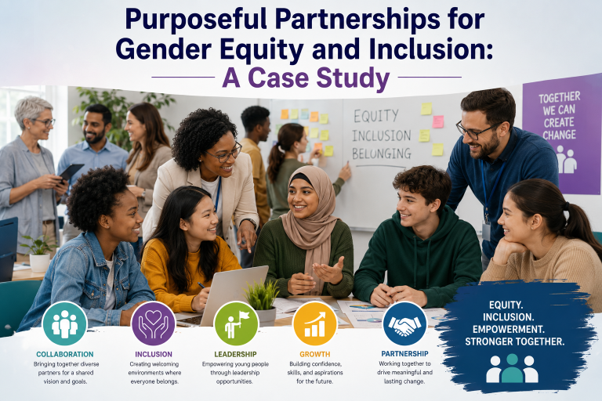

Achieving gender equity and inclusion requires more than good intentions. It demands coordinated action, shared accountability, and a commitment to creating opportunities for individuals from all backgrounds to thrive. Across education, community development, business, and social sectors, collaborative approaches have emerged as some of the most effective strategies for driving meaningful and lasting change.
At the heart of many successful initiatives are purposeful partnerships that bring together organisations, leaders, educators, and community members around a common vision. By combining resources, expertise, and influence, these collaborations can address barriers to participation and create environments where everyone has equal opportunities to succeed.
In many communities, a well-designed youth empowerment program serves as an important platform for advancing inclusion by helping young people develop leadership skills, confidence, and awareness of social equity issues. When supported by strong partnerships, these programs can have a profound and lasting impact on participants and the broader community.
The Challenge: Addressing Barriers to Participation
Several years ago, a community-based initiative identified a concerning trend among local youth programs. While participation rates were relatively high overall, significant disparities existed in leadership opportunities, confidence levels, and engagement among different groups.
Program leaders observed that:
- Some participants felt underrepresented in decision-making roles.
- Certain activities attracted uneven participation.
- Confidence gaps influenced leadership development.
- Social stereotypes affected engagement and aspirations.
Although the organisation had a strong commitment to inclusion, it became clear that isolated efforts would not be sufficient to address these challenges effectively.
A broader strategy involving multiple stakeholders was needed to understand the underlying issues and develop practical solutions.
The initiative recognised that sustainable change would require collaboration across schools, community organisations, families, and local leaders.
Building the Partnership Framework
The first step involved bringing together a diverse group of partners with a shared interest in promoting equity and inclusion.
The collaboration included:
- Educational institutions
- Community organisations
- Youth mentors
- Local businesses
- Parents and caregivers
- Program facilitators
Rather than working independently, the partners agreed to develop a common framework focused on increasing access, participation, leadership opportunities, and representation. Regular planning sessions allowed stakeholders to share perspectives, identify challenges, and establish measurable objectives.
One of the key strengths of the partnership was its commitment to listening. Young people themselves were actively involved in discussions, ensuring that solutions reflected their experiences and needs. This collaborative approach helped build trust and create a sense of shared ownership among all participants.
Developing Inclusive Program Design
Once the partnership framework was established, attention turned to program design.
The goal was not simply to increase participation but to create environments where all individuals felt valued, respected, and supported.
Several changes were introduced, including:
- Inclusive leadership opportunities
- Diverse role models and guest speakers
- Mentorship initiatives
- Team-based collaborative projects
- Leadership training workshops
- Structured feedback mechanisms
Programs were reviewed to ensure that activities encouraged equal participation and challenged traditional assumptions about who could lead, contribute, or succeed.
Facilitators received training on inclusive practices and strategies for creating welcoming environments. These changes helped ensure that inclusion became embedded in program culture rather than treated as a separate initiative.
Empowering Participants Through Leadership Opportunities
One of the most impactful elements of the initiative was the emphasis on leadership development.
Participants were encouraged to take active roles in:
- Planning events
- Leading group discussions
- Coordinating projects
- Representing their peers
- Facilitating community activities
By providing structured leadership opportunities, the program helped participants build confidence and develop practical skills.
A particularly memorable example involved a student who initially avoided speaking during group sessions. Through mentorship and gradual leadership opportunities, they eventually became one of the program’s most effective peer facilitators.
Experiences like this demonstrated how supportive environments can unlock potential that might otherwise remain hidden. Leadership development became a powerful tool for fostering confidence, self-efficacy, and long-term engagement.
Measuring Progress and Outcomes
To ensure accountability, the partnership established clear methods for evaluating progress.
Data was collected through:
- Participation records
- Surveys
- Interviews
- Focus groups
- Leadership engagement tracking
- Feedback from participants and families
The results revealed several positive trends over time.
These included:
- Increased participation across diverse groups
- Greater representation in leadership roles
- Improved confidence among participants
- Stronger feelings of belonging
- Higher program retention rates
Perhaps most importantly, participants reported feeling more comfortable expressing themselves and pursuing opportunities they may not have previously considered. The combination of quantitative data and personal stories provided valuable evidence that the partnership approach was making a meaningful difference.
Lessons Learned from the Partnership
The initiative generated several important lessons that can be applied to other equity and inclusion efforts.
- First, meaningful change requires long-term commitment. Quick fixes are rarely sufficient when addressing complex social challenges.
- Second, collaboration is most effective when all stakeholders have a voice. Including participants in decision-making processes helps ensure that solutions remain relevant and impactful.
- Third, representation matters. Exposure to diverse role models can significantly influence aspirations, confidence, and perceptions of possibility.
Additional lessons included:
- Building trust takes time.
- Open communication strengthens collaboration.
- Flexibility supports continuous improvement.
- Small changes can lead to significant outcomes.
These insights helped partners refine their approach and strengthen future programming efforts.
Creating Sustainable Change
One of the greatest challenges in any equity initiative is ensuring that progress continues beyond the initial implementation phase.
To promote sustainability, the partnership focused on building systems and practices that could endure over time.
This included:
- Ongoing facilitator training
- Leadership succession planning
- Regular program evaluation
- Community engagement efforts
- Continued stakeholder collaboration
Rather than relying on a single project or funding cycle, the partnership aimed to embed inclusive principles into organisational culture.
This approach increased the likelihood that positive outcomes would continue benefiting future participants.
Sustainable change occurs when inclusion becomes part of everyday practice rather than a temporary initiative.
Broader Community Impact
The effects of the partnership extended beyond individual participants.
As confidence and leadership skills increased, many participants became advocates for inclusion within their schools, families, and communities.
Community organisations also reported stronger collaboration and greater awareness of equity-related issues.
Some broader outcomes included:
- Increased community engagement
- Improved organisational practices
- Expanded mentorship networks
- Stronger relationships between stakeholders
These ripple effects demonstrated that investing in inclusion can generate benefits far beyond the immediate program environment.
When individuals feel empowered and valued, they are often more likely to contribute positively to the communities around them.
Conclusion
This case study highlights the transformative potential of collaborative approaches to gender equity and inclusion. By bringing together educators, community organisations, families, mentors, and young people, the initiative created meaningful opportunities for participation, leadership, and personal growth.
The success of the partnership was rooted in shared goals, active listening, inclusive program design, and a commitment to continuous improvement. Through intentional collaboration, participants gained confidence, developed leadership skills, and experienced a stronger sense of belonging.
As organisations continue working toward more equitable and inclusive communities, this example demonstrates that lasting change is most likely when diverse stakeholders unite around a common purpose.