Category: Education

  • A Complete Guide to Timby’s Introductory Medical-Surgical Nursing 14th Edition: Key Concepts and Topics

    A Complete Guide to Timby’s Introductory Medical-Surgical Nursing 14th Edition: Key Concepts and Topics

    Timby’s Introductory Medical-Surgical Nursing 14th Edition is a comprehensive textbook designed to provide nursing students and practicing nurses with a solid foundation in medical-surgical nursing principles. This edition builds on previous versions by incorporating the latest evidence-based practices, updated clinical guidelines, and enhanced learning tools to facilitate a deeper understanding of patient care in medical-surgical settings. The book is widely regarded as an essential resource for those preparing for nursing licensure exams or seeking to advance their knowledge in the field.

    One of the key strengths of Timby’s 14th edition is its clear organization and user-friendly approach. The book is structured to guide readers progressively through fundamental concepts before delving into more complex clinical topics. Early chapters focus on foundational knowledge such as the nursing process, critical thinking, and communication skills, which are crucial for effective patient care. The text then transitions into detailed discussions on major body systems, common diseases, and corresponding nursing interventions.

    A significant portion of the book addresses the pathophysiology and management of various medical conditions affecting systems such as the cardiovascular, respiratory, gastrointestinal, neurological, and musculoskeletal systems. Each chapter provides in-depth explanations of disease processes, signs and symptoms, diagnostic tests, and treatment modalities. Importantly, Timby’s textbook emphasizes the nurse’s role in monitoring patient status, administering medications, and educating patients and families to promote optimal health outcomes.

    The 14th edition also integrates contemporary topics like patient safety, infection control, pain management, and cultural competence. These chapters highlight practical strategies to reduce healthcare-associated risks and improve the Timby’s Introductory Medical-Surgical Nursing 14th edition quality of care. Additionally, the book incorporates case studies and critical thinking exercises that challenge readers to apply theoretical knowledge to real-life clinical scenarios, fostering analytical skills essential for nursing practice.

    Another feature that enhances the learning experience is the inclusion of updated visuals such as detailed illustrations, charts, and tables. These visual aids help clarify complex anatomical structures and physiological processes, making it easier for readers to grasp challenging material. The book also offers review questions and summaries at the end of each chapter to reinforce key concepts and support exam preparation.

    In summary, Timby’s Introductory Medical-Surgical Nursing 14th Edition serves as a vital educational tool for nursing students and professionals alike. Its comprehensive coverage of medical-surgical nursing topics, combined with a clear and engaging writing style, makes it an indispensable guide for mastering essential nursing skills and knowledge. Whether preparing for exams or seeking to enhance clinical competence, this textbook remains a trusted resource in the nursing community.

  • Explore Modern Finance Using Financial Management: Theory and Practice 17th Edition eBook

    Explore Modern Finance Using Financial Management: Theory and Practice 17th Edition eBook

    In the rapidly evolving landscape of modern finance, understanding the intricacies of financial management is more crucial than ever. The 17th edition of “Financial Management: Theory and Practice” serves as an essential resource for students and professionals alike, offering a comprehensive guide to contemporary financial strategies and practices. This eBook stands out not only for its depth but also for its ability to adapt traditional financial theories to today’s dynamic economic environment.

    The world of finance is continuously shaped by technological advancements, regulatory changes, and global economic shifts. In such a setting, having a solid grasp on both theoretical concepts and practical applications becomes indispensable. The 17th edition effectively bridges this gap by integrating classic financial theories with real-world case studies that reflect current market conditions. This approach ensures that readers are not only absorbing theoretical knowledge but also learning how to apply these principles in practical scenarios.

    One of the hallmarks of this eBook is its emphasis on decision-making processes within financial management. It delves into critical areas such as capital budgeting, risk assessment, valuation, and strategic planning. By doing so, it equips readers with the tools necessary to make informed decisions that enhance corporate value in uncertain times. Furthermore, it presents complex ideas in an accessible manner without sacrificing analytical rigor—making it suitable for both novices seeking foundational insights and seasoned professionals looking to refine their expertise.

    Moreover, this edition places significant focus on ethical considerations in finance—a topic gaining increasing importance amidst growing scrutiny over corporate governance and social responsibility. It encourages readers to consider the broader impact of their decisions beyond mere profit maximization by exploring ethical dilemmas faced by today’s financial managers.

    Technology’s role in reshaping finance cannot be overstated; hence this edition incorporates discussions around fintech innovations like blockchain technology, artificial intelligence (AI), machine learning algorithms used for predictive analytics or automated trading systems—all transforming traditional business models across industries globally while presenting new challenges alongside opportunities worth exploring further through dedicated sections included therein too!

    Additionally noteworthy about “Financial Management: Theory and Practice 17th Edition” lies within interactive elements embedded throughout each chapter designed specifically engaging users actively participating via quizzes simulations exercises testing comprehension retention levels achieved thus far ensuring optimal learning experience overall!

    In conclusion then if you’re keen unlocking full potential modern-day financing techniques leveraging cutting-edge resources available fingertips look no further than esteemed publication now entering seventeenth iteration proving itself time again invaluable asset anyone serious mastering art science managing finances effectively efficiently whatever context may arise future endeavors await discovery exploration ahead still untapped horizon awaits those daring venture forth armed knowledge gained herein contained pages…

  • Purposeful Partnerships for Gender Equity and Inclusion: A Case Study

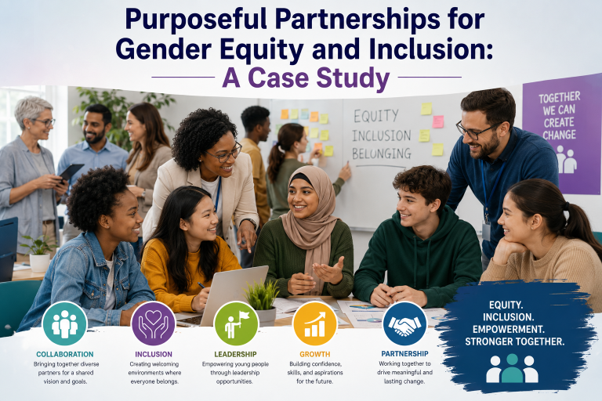
    Purposeful Partnerships for Gender Equity and Inclusion: A Case Study

    Achieving gender equity and inclusion requires more than good intentions. It demands coordinated action, shared accountability, and a commitment to creating opportunities for individuals from all backgrounds to thrive. Across education, community development, business, and social sectors, collaborative approaches have emerged as some of the most effective strategies for driving meaningful and lasting change.

    At the heart of many successful initiatives are purposeful partnerships that bring together organisations, leaders, educators, and community members around a common vision. By combining resources, expertise, and influence, these collaborations can address barriers to participation and create environments where everyone has equal opportunities to succeed.

    In many communities, a well-designed youth empowerment program serves as an important platform for advancing inclusion by helping young people develop leadership skills, confidence, and awareness of social equity issues. When supported by strong partnerships, these programs can have a profound and lasting impact on participants and the broader community.

    The Challenge: Addressing Barriers to Participation

    Several years ago, a community-based initiative identified a concerning trend among local youth programs. While participation rates were relatively high overall, significant disparities existed in leadership opportunities, confidence levels, and engagement among different groups.

    Program leaders observed that:

    • Some participants felt underrepresented in decision-making roles.
    • Certain activities attracted uneven participation.
    • Confidence gaps influenced leadership development.
    • Social stereotypes affected engagement and aspirations.

    Although the organisation had a strong commitment to inclusion, it became clear that isolated efforts would not be sufficient to address these challenges effectively.

    A broader strategy involving multiple stakeholders was needed to understand the underlying issues and develop practical solutions.

    The initiative recognised that sustainable change would require collaboration across schools, community organisations, families, and local leaders.

    Building the Partnership Framework

    The first step involved bringing together a diverse group of partners with a shared interest in promoting equity and inclusion.

    The collaboration included:

    • Educational institutions
    • Community organisations
    • Youth mentors
    • Local businesses
    • Parents and caregivers
    • Program facilitators

    Rather than working independently, the partners agreed to develop a common framework focused on increasing access, participation, leadership opportunities, and representation. Regular planning sessions allowed stakeholders to share perspectives, identify challenges, and establish measurable objectives.

    One of the key strengths of the partnership was its commitment to listening. Young people themselves were actively involved in discussions, ensuring that solutions reflected their experiences and needs. This collaborative approach helped build trust and create a sense of shared ownership among all participants.

    Developing Inclusive Program Design

    Once the partnership framework was established, attention turned to program design.

    The goal was not simply to increase participation but to create environments where all individuals felt valued, respected, and supported.

    Several changes were introduced, including:

    • Inclusive leadership opportunities
    • Diverse role models and guest speakers
    • Mentorship initiatives
    • Team-based collaborative projects
    • Leadership training workshops
    • Structured feedback mechanisms

    Programs were reviewed to ensure that activities encouraged equal participation and challenged traditional assumptions about who could lead, contribute, or succeed.

    Facilitators received training on inclusive practices and strategies for creating welcoming environments. These changes helped ensure that inclusion became embedded in program culture rather than treated as a separate initiative.

    Empowering Participants Through Leadership Opportunities

    One of the most impactful elements of the initiative was the emphasis on leadership development.

    Participants were encouraged to take active roles in:

    • Planning events
    • Leading group discussions
    • Coordinating projects
    • Representing their peers
    • Facilitating community activities

    By providing structured leadership opportunities, the program helped participants build confidence and develop practical skills.

    A particularly memorable example involved a student who initially avoided speaking during group sessions. Through mentorship and gradual leadership opportunities, they eventually became one of the program’s most effective peer facilitators.

    Experiences like this demonstrated how supportive environments can unlock potential that might otherwise remain hidden. Leadership development became a powerful tool for fostering confidence, self-efficacy, and long-term engagement.

    Measuring Progress and Outcomes

    To ensure accountability, the partnership established clear methods for evaluating progress.

    Data was collected through:

    • Participation records
    • Surveys
    • Interviews
    • Focus groups
    • Leadership engagement tracking
    • Feedback from participants and families

    The results revealed several positive trends over time.

    These included:

    • Increased participation across diverse groups
    • Greater representation in leadership roles
    • Improved confidence among participants
    • Stronger feelings of belonging
    • Higher program retention rates

    Perhaps most importantly, participants reported feeling more comfortable expressing themselves and pursuing opportunities they may not have previously considered. The combination of quantitative data and personal stories provided valuable evidence that the partnership approach was making a meaningful difference.

    Lessons Learned from the Partnership

    The initiative generated several important lessons that can be applied to other equity and inclusion efforts.

    • First, meaningful change requires long-term commitment. Quick fixes are rarely sufficient when addressing complex social challenges.
    • Second, collaboration is most effective when all stakeholders have a voice. Including participants in decision-making processes helps ensure that solutions remain relevant and impactful.
    • Third, representation matters. Exposure to diverse role models can significantly influence aspirations, confidence, and perceptions of possibility.

    Additional lessons included:

    • Building trust takes time.
    • Open communication strengthens collaboration.
    • Flexibility supports continuous improvement.
    • Small changes can lead to significant outcomes.

    These insights helped partners refine their approach and strengthen future programming efforts.

    Creating Sustainable Change

    One of the greatest challenges in any equity initiative is ensuring that progress continues beyond the initial implementation phase.

    To promote sustainability, the partnership focused on building systems and practices that could endure over time.

    This included:

    • Ongoing facilitator training
    • Leadership succession planning
    • Regular program evaluation
    • Community engagement efforts
    • Continued stakeholder collaboration

    Rather than relying on a single project or funding cycle, the partnership aimed to embed inclusive principles into organisational culture.

    This approach increased the likelihood that positive outcomes would continue benefiting future participants.

    Sustainable change occurs when inclusion becomes part of everyday practice rather than a temporary initiative.

    Broader Community Impact

    The effects of the partnership extended beyond individual participants.

    As confidence and leadership skills increased, many participants became advocates for inclusion within their schools, families, and communities.

    Community organisations also reported stronger collaboration and greater awareness of equity-related issues.

    Some broader outcomes included:

    • Increased community engagement
    • Improved organisational practices
    • Expanded mentorship networks
    • Stronger relationships between stakeholders

    These ripple effects demonstrated that investing in inclusion can generate benefits far beyond the immediate program environment.

    When individuals feel empowered and valued, they are often more likely to contribute positively to the communities around them.

    Conclusion

    This case study highlights the transformative potential of collaborative approaches to gender equity and inclusion. By bringing together educators, community organisations, families, mentors, and young people, the initiative created meaningful opportunities for participation, leadership, and personal growth.

    The success of the partnership was rooted in shared goals, active listening, inclusive program design, and a commitment to continuous improvement. Through intentional collaboration, participants gained confidence, developed leadership skills, and experienced a stronger sense of belonging.

    As organisations continue working toward more equitable and inclusive communities, this example demonstrates that lasting change is most likely when diverse stakeholders unite around a common purpose.

  • Student Resource Center for Fundamentals of Corporate Finance 2024 Release PDF

    Student Resource Center for Fundamentals of Corporate Finance 2024 Release PDF

    In the ever-evolving landscape of education, resources that facilitate learning and comprehension are invaluable. The “Student Resource Center for Fundamentals of Corporate Finance 2024 Release PDF” emerges as a pivotal tool designed to enhance the educational experience by providing students with comprehensive resources tailored to the intricacies of corporate finance. This digital resource center is meticulously crafted to support students in grasping complex financial concepts, ensuring they have access to materials that complement their academic curriculum.

    The 2024 release of this resource center is particularly significant due to its updated content that reflects the latest trends and changes in corporate finance. As businesses continue to adapt to global economic shifts, it becomes crucial for educational materials to stay current. This ensures that students are not only learning theoretical aspects but also understanding practical applications relevant in today’s financial world.

    One of the core strengths of the Student Resource Center lies in its accessibility and user-friendly design. The PDF format allows for easy navigation through various topics, enabling students to find specific information quickly and efficiently. Whether it’s fundamental principles or advanced theories, each section is organized logically, allowing learners at different levels to engage with the material effectively.

    Moreover, this resource center includes a plethora of supplementary materials such as practice questions, case studies, and interactive exercises. These components are instrumental in reinforcing knowledge acquisition by providing opportunities for applied learning. Practice questions enable students to test their understanding continuously while case studies offer real-world scenarios where theoretical knowledge can be applied practically.

    Interactive exercises further enrich this learning process by encouraging active participation rather than passive reading. By engaging with these activities, students develop critical thinking skills essential for problem-solving within Fundamentals of Corporate Finance 2024 Release PDF contexts. Such an approach not only aids retention but also enhances analytical abilities crucial for future professionals navigating complex financial landscapes.

  • online guitar setup course With Hands-On Techniques

    online guitar setup course With Hands-On Techniques

    In recent years, the demand for online learning has surged, and among various musical disciplines, guitar setup courses have gained significant popularity. An online guitar setup course with hands-on techniques offers an accessible and practical way for guitar enthusiasts to deepen their understanding of instrument maintenance and customization from the comfort of their own homes. This type of course is designed not only to impart theoretical knowledge but also to provide step-by-step guidance on essential skills necessary for proper guitar setup.

    A well-structured online guitar setup course typically begins with foundational concepts such as understanding the anatomy of a guitar, including parts like the neck, frets, bridge, truss rod, pickups, and tuning machines. Knowing these components is crucial because each plays a vital role in how the instrument feels and sounds. The course then progresses into more technical areas like adjusting string action height, setting intonation correctly, managing fret buzz issues, and optimizing neck relief through truss rod adjustments.

    One of the key advantages of an online format is that learners can follow video demonstrations at their own pace while simultaneously working on their own instruments. High-quality courses often include downloadable manuals or checklists that help students track their progress during each stage of the setup process. Furthermore, interactive features such as live Q&A sessions or community forums allow participants to ask questions directly to experienced instructors or share insights with fellow learners.

    Hands-on techniques emphasized in these courses are invaluable because they transform abstract concepts into tangible skills. For example, adjusting string height involves measuring action at specific points along the fretboard using feeler gauges or rulers-skills best learned by doing rather than just reading about them. Similarly, setting intonation requires tuning each string accurately while comparing notes at different frets; this precision work ensures that chords sound harmonious across all positions on the neck.

    Moreover, many courses highlight troubleshooting common problems that players encounter regularly-such as uneven fret wear or pickup height imbalance-and teach methods to address them effectively without needing expensive professional repairs immediately. This empowerment helps musicians maintain optimal playability and extends their instrument’s lifespan.

    Another important aspect covered in comprehensive programs is selecting appropriate tools for various tasks like screwdriver sets designed for delicate hardware screws or specialized nut files used during nut slot adjustments. Understanding tool usage prevents accidental damage and promotes confidence when performing setups independently.

    Overall, enrolling in an online learn guitar setup course featuring hands-on techniques equips players with both knowledge and practical experience essential for maintaining peak performance from their guitars. Whether someone owns an acoustic model requiring precise saddle shaping or an electric variant needing fine-tuned electronics alignment, mastering these skills fosters greater appreciation toward one’s instrument while saving time and money on external servicing costs. As technology continues enhancing remote education quality through immersive content delivery methods such as augmented reality tutorials or multi-angle camera views soon becoming mainstream options within these courses further enriches learner engagement making it a highly effective solution tailored around modern-day musicians’ needs worldwide.

  • Innovation in Teaching Through Cyclical School Practices

    Innovation in Teaching Through Cyclical School Practices

    Innovation in teaching is a dynamic process that requires continuous adaptation and improvement to meet the evolving needs of students. One effective method for fostering innovation in education is through cyclical school practices. These practices involve a repetitive process of planning, implementing, evaluating, and refining educational strategies and methodologies to enhance learning outcomes.

    Cyclical school practices are grounded in the concept of reflective practice, where educators consistently evaluate their teaching methods and student interactions to identify areas for improvement. This approach encourages teachers to be lifelong learners themselves, constantly seeking new knowledge and skills to bring into their classrooms. By engaging in this cycle, educators can develop more effective teaching strategies that cater to diverse learning styles and abilities.

    The first step in Cyclical School practices involves thorough planning. Educators set clear objectives for what they wish to achieve within a certain timeframe. This could include improving student engagement, enhancing critical thinking skills, or integrating technology into the curriculum. Planning also involves researching best practices and innovative techniques that have been successful elsewhere.

    Once plans are established, implementation follows. Teachers put their strategies into action within the classroom setting. This stage often involves experimentation with different approaches such as project-based learning, flipped classrooms, or gamification of lessons. The goal is to create an interactive and stimulating environment that motivates students and fosters deeper understanding.

    Evaluation is a crucial component of the cycle as it provides insights into what works well and what needs adjustment. Through various assessment tools like quizzes, surveys, or observation logs, educators gather data on student performance and engagement levels. Analyzing this information helps identify gaps between expected outcomes and actual results.

    The final phase in cyclical school practices is refinement based on evaluation findings. Teachers make necessary adjustments to their instructional methods or materials before starting another cycle of planning with newfound insights from previous experiences.

  • Understanding Crime, Society, and Criminal Behavior

    Understanding Crime, Society, and Criminal Behavior

    Crime is a complex social phenomenon that reflects the interaction between individuals and their environment. Understanding crime requires examining not only the acts themselves but also the broader societal context in which they occur. Criminal behavior does not exist in isolation; it is influenced by various factors including economic conditions, cultural norms, social structures, and individual psychology. Society plays a crucial role in defining what constitutes crime through laws and regulations, which are shaped by collective values and power dynamics.

    One important aspect of studying crime involves recognizing how social inequality contributes to criminal activity. Poverty, lack of education, limited employment opportunities, and social exclusion can increase the likelihood of involvement in illegal activities. Individuals facing hardship may resort to crime as a means of survival or expression of frustration against perceived injustices. Additionally, marginalized groups often experience disproportionate policing and sentencing practices, which further complicate efforts to address underlying causes.

    Criminal behavior itself can be understood through multiple theoretical perspectives. Psychological theories focus on individual traits such as impulsivity or antisocial tendencies that predispose some people toward offending. Sociological approaches emphasize external influences like peer pressure, family environment, and community disorganization that shape behavioral patterns over time. Biological explanations explore genetic or Critical Care Nursing 10th Edition PDF neurological factors that might contribute to aggression or risk-taking behaviors linked with criminal acts.

    The relationship between society and crime is dynamic because laws evolve alongside changing moral standards and technological advancements. For example, cybercrime has emerged as a significant challenge due to increased internet use worldwide. This evolution necessitates continuous adaptation by legal systems to effectively prevent new forms of criminal conduct while protecting civil liberties.

    Prevention strategies benefit from integrating knowledge about both individual motivations and structural conditions contributing to crime rates. Community programs aimed at improving education access, job training, mental health services, and neighborhood safety have shown promise in reducing offenses by addressing root causes rather than focusing solely on punishment after crimes occur.

    Moreover, rehabilitation efforts within correctional systems seek to transform offenders into law-abiding citizens through counseling, skill development, and support networks upon reentry into society. Such measures recognize that many criminals are products of their environments rather than inherently deviant individuals.

    In summary, understanding crime involves analyzing how societal factors intersect with personal circumstances to influence behavior deemed unlawful by prevailing standards. A comprehensive approach combining prevention, intervention, fair justice policies, and social reforms offers the best chance for creating safer communities while respecting human dignity across diverse populations worldwide.