
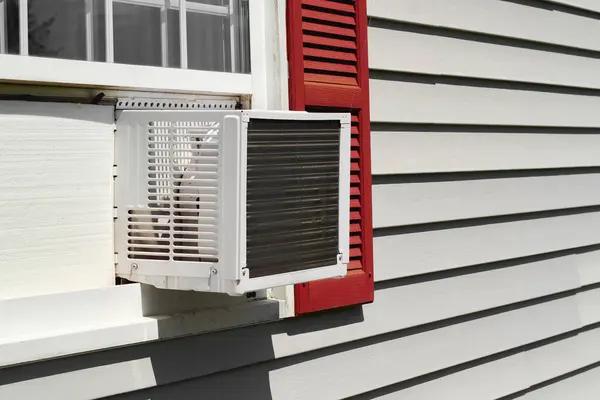

Window air conditioners offer an effective and affordable solution for maintaining comfortable indoor temperatures, especially during hot weather. These units are designed to fit into a window frame, making them ideal for cooling individual rooms or small spaces without the need for complex installation processes. Their compact size and ease of use have made them popular among renters, homeowners, and those seeking temporary or supplemental cooling options.
One of the key advantages of window air conditioners is their energy efficiency relative to central air systems when used in limited areas. By focusing on cooling specific rooms rather than an entire house, users can reduce overall electricity consumption and lower utility bills. Modern models often come with energy-saving features such as programmable timers, sleep modes, and adjustable fan speeds that help optimize performance while minimizing power usage.
Proper installation plays a vital role in maximizing the effectiveness of a Window Air Conditioner. Ensuring a secure fit within the window frame prevents cool air from escaping and warm outdoor air from entering. Additionally, sealing gaps around the unit with weather stripping or foam insulation enhances its efficiency by reducing drafts. Positioning the appliance away from direct sunlight also improves its ability to maintain desired temperatures since excessive heat exposure forces it to work harder.
Maintenance is another important aspect that contributes to consistent performance over time. Regularly cleaning or replacing filters helps maintain good airflow and reduces strain on internal components. It also improves indoor air quality by trapping dust particles and allergens before they circulate throughout living spaces. Checking for any signs of damage or wear ensures early detection of issues that could impair functionality.
When selecting a window air conditioner, considering room size is crucial for achieving optimal comfort levels. Units are rated by British Thermal Units (BTUs), which indicate their cooling capacity; choosing a model appropriate for the space prevents underperformance or unnecessary energy expenditure caused by oversized equipment running inefficiently at partial loads.
In addition to temperature control, many contemporary window units include features such as dehumidification capabilities that help manage humidity levels indoors-an essential factor in creating pleasant environments during humid seasons. Some models incorporate remote controls or smart technology integration allowing users to adjust settings conveniently via smartphones or voice commands.
Overall, window air conditioners provide practical solutions tailored to diverse needs while promoting efficient energy use and ease of operation. With proper selection, installation, and upkeep, these devices contribute significantly toward creating comfortable living conditions without extensive modifications or high costs commonly associated with whole-house cooling systems.