
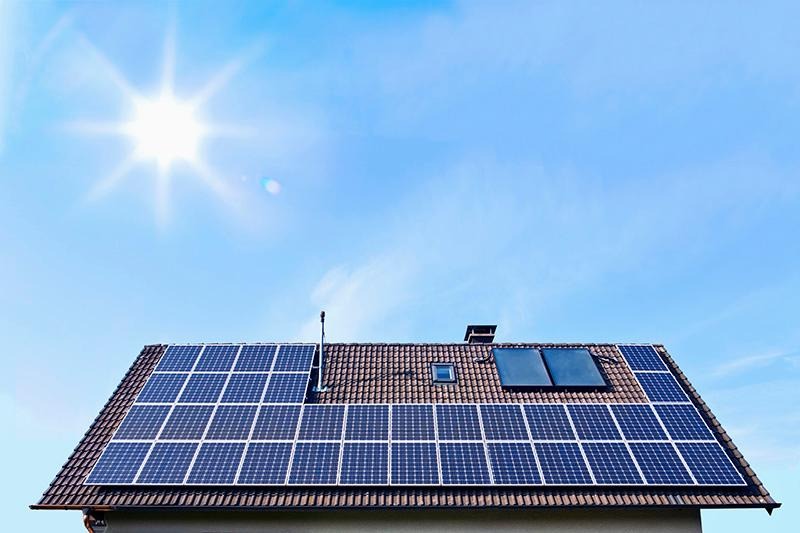
Are you curious about harnessing the power of the sun? Photovoltaic panels, commonly known as solar panels, are at the forefront of this energy revolution. With their ability to convert sunlight into electricity, they offer a sustainable alternative to traditional energy sources. Whether you’re looking to reduce your carbon footprint or lower your monthly utility bills, understanding photovoltaic panels is essential.
In this beginner’s guide, we’ll delve into what these panels are and explore their benefits. We will also address key factors that can influence your choice when selecting them for your home or business. We’ll touch on installation and maintenance tips to ensure you get the most out of your investment in solar energy. Let’s shine some light on how to make informed decisions in choosing photovoltaic panels!
What are Photovoltaic Panels?
Photovoltaic panels are devices designed to convert panouri fotovoltaice sunlight into electricity. They consist of many solar cells made from semiconductor materials, typically silicon. When sunlight hits these cells, it excites electrons, generating an electric current.
These panels come in various types and configurations. Some are rigid and mounted on rooftops, while others can be flexible and integrated into building materials. This versatility allows for a range of applications in residential and commercial settings.
In recent years, advancements in technology have led to increased performance and durability. As a result, photovoltaic systems have become more accessible to the average consumer looking to harness renewable energy sources effectively.
The Benefits of Using Solar Energy
Solar energy offers numerous advantages that extend beyond just saving money on electricity bills. By harnessing the power of the sun, homeowners can significantly reduce their carbon footprint. This renewable source is cleaner than fossil fuels and greatly contributes to environmental sustainability.
Additionally, solar panels increase property value. Many buyers are attracted to homes with existing solar systems due to long-term savings potential.
Technological advancements continuously improve efficiency rates in photovoltaic panels, making them an even more appealing option for those looking to go green.
Factors to Consider When Choosing Panels
When selecting photovoltaic panels, efficiency is a key factor. Look for panels with high conversion rates to maximize your energy output. This means more electricity from the same amount of sunlight.
Consider the panel type as well. Monocrystalline, polycrystalline, and thin film each have their pros and cons. Monocrystalline panels are efficient but often pricier, while polycrystalline offers good value at a lower cost.
Durability matters too. Check warranties and certifications to ensure that your investment will withstand harsh weather conditions over time. Panels should ideally last 25 years or more.
Don’t forget about aesthetics if this is important for you. Some homeowners prefer sleek black panels that blend in seamlessly with roofs while others may not mind traditional blue ones.
Assess available space on your roof or property before making a decision to understand how many panels you can install effectively.
Installation and Maintenance
When it comes to installing photovoltaic panels, proper placement is key. Ideally, they should be positioned in an area that gets plenty of sunlight throughout the day. Roof installations are popular because they save ground space and often provide optimal exposure to the sun.
It’s essential to hire a professional for installation if you lack experience. A trained technician will ensure your system is set up correctly and efficiently, maximizing energy production from the start. They can also help navigate local regulations or permits needed for solar panel installation.
Once installed, maintenance isn’t overly demanding but does require attention. Regular cleaning helps maintain efficiency since dirt and debris can obstruct sunlight absorption. Depending on your location, rainfall may do this naturally; however, periodic checks are wise.