Category: Health

  • Day vs. Night Moisturizers for Dry Skin: What’s the Difference?

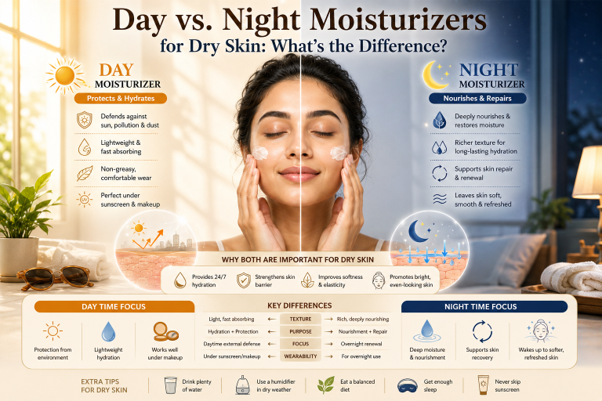
    Day vs. Night Moisturizers for Dry Skin: What’s the Difference?

    Dry skin requires consistent care to maintain hydration, comfort, and a healthy appearance. Environmental factors, weather changes, aging, and daily exposure to pollutants can weaken the skin barrier, causing moisture loss and leaving the skin feeling tight, rough, or flaky. A well-chosen moisturizer helps replenish hydration and supports the skin’s natural protective functions throughout the day and night.

    Many people turn to an Ayurvedic face cream because traditional formulations often focus on nourishing ingredients that support long-term skin health. These creams are frequently designed to provide hydration while helping maintain the skin’s natural balance.

    When searching for the best face moisturizer for dry skin in India, consumers often discover that day and night moisturizers serve different purposes. Although both products aim to hydrate the skin, they are formulated to address the skin’s unique needs during different times of the day.

    What Is a Day Moisturizer?

    A day moisturizer is designed to protect and hydrate the skin during waking hours when it is exposed to environmental stressors.

    Throughout the day, the skin faces challenges such as:

    • Sun exposure
    • Pollution
    • Dust
    • Air conditioning
    • Temperature fluctuations

    Day moisturizers are typically formulated to provide hydration while remaining lightweight and comfortable under sunscreen or makeup.

    Common characteristics include:

    • Fast absorption
    • Lightweight texture
    • Non-greasy finish
    • Comfortable daytime wear

    The primary goal is to support hydration without feeling heavy on the skin.

    A good day moisturizer helps maintain moisture balance while allowing the skin to function comfortably throughout daily activities.

    What Is a Night Moisturizer?

    A night moisturizer is designed to support the skin during its natural overnight recovery process.

    While sleeping, the skin undergoes repair and renewal. Moisture loss can also increase during the night, making hydration particularly important.

    Night moisturizers are often:

    • Richer in texture
    • More nourishing
    • Longer-lasting
    • Designed for extended hydration

    Because there is no need to wear sunscreen or makeup during sleep, these products can focus entirely on supporting skin comfort and replenishment.

    The richer consistency helps provide ongoing moisture throughout the night, leaving the skin feeling softer and more refreshed by morning.

    Nighttime hydration is especially beneficial for individuals with persistent dryness.

    Key Differences Between Day and Night Moisturizers

    Although both products serve the same general purpose, several important differences distinguish them.

    Texture

    Day moisturizers are usually lighter to ensure comfort throughout the day.

    Night moisturizers tend to be richer and more emollient to provide prolonged hydration.

    Purpose

    Day formulations focus on hydration and protection.

    Night formulations emphasize nourishment and recovery.

    Wearability

    Day creams are often designed to layer well under sunscreen and makeup.

    Night creams are intended for use without additional cosmetic products.

    Hydration Duration

    Night moisturizers often provide longer-lasting hydration due to their richer composition.

    These distinctions help each product address the skin’s specific needs at different times.

    Why Dry Skin Benefits from Both

    Many individuals with dry skin wonder whether they need separate moisturizers.

    While some products can function effectively both day and night, using dedicated formulations may offer additional benefits.

    Dry skin often requires:

    • Continuous hydration
    • Barrier support
    • Protection from environmental stress
    • Overnight replenishment

    A daytime moisturizer helps prevent moisture loss during daily activities, while a nighttime moisturizer provides intensive hydration when the skin is naturally recovering.

    Together, they create a comprehensive hydration strategy.

    This dual approach can help improve skin comfort, softness, and resilience over time.

    The Role of the Skin Barrier

    The skin barrier is responsible for retaining moisture and protecting against external irritants.

    When the barrier becomes compromised, dry skin may experience:

    • Flakiness
    • Tightness
    • Rough texture
    • Increased sensitivity

    Both day and night moisturizers contribute to maintaining barrier health.

    Benefits of a healthy skin barrier include:

    • Better moisture retention
    • Improved skin comfort
    • Reduced sensitivity
    • Enhanced smoothness

    Supporting the barrier consistently throughout the day and night is one of the most effective ways to manage dry skin.

    Moisturizers play a central role in this process.

    Choosing Ingredients for Dry Skin

    The effectiveness of a moisturizer depends largely on its ingredients.

    Individuals with dry skin often benefit from ingredients that support hydration and nourishment.

    Helpful ingredients may include:

    • Natural oils
    • Plant-based butters
    • Ghee-derived skincare ingredients
    • Aloe vera
    • Humectants
    • Barrier-supportive lipids

    When selecting a moisturizer, focus on products that emphasize hydration and comfort rather than temporary cosmetic effects.

    Reading ingredient labels can help identify products that align with your skincare goals.

    A thoughtfully formulated moisturizer can make a significant difference in skin health.

    How to Build a Daytime Moisturizing Routine

    A simple daytime skincare routine for dry skin may include:

    1. Gentle cleansing
    2. Moisturizer application
    3. Sunscreen

    Applying moisturizer immediately after cleansing helps lock in hydration.

    Sunscreen should always be the final step in the morning routine to protect the skin from UV damage.

    Consistency is important.

    Using a daytime moisturizer daily helps maintain hydration levels and supports long-term skin health.

    Even on cloudy days, moisturizing remains an essential part of skincare.

    How to Build a Nighttime Moisturizing Routine

    Nighttime routines often focus on nourishment and recovery.

    A basic evening routine may include:

    1. Gentle cleansing
    2. Optional treatment products
    3. Night moisturizer

    Applying a richer moisturizer before bed helps support the skin during its overnight renewal processes.

    The skin remains free from environmental stressors during sleep, allowing moisturizing ingredients to remain on the skin for extended periods.

    This sustained hydration can help improve skin softness and comfort over time.

    Many individuals notice that their skin feels more refreshed in the morning when they consistently moisturize at night.

    Common Mistakes People Make

    Several habits can limit the effectiveness of moisturizers.

    Common mistakes include:

    • Skipping moisturizer because skin feels temporarily hydrated
    • Using harsh cleansers
    • Neglecting sunscreen
    • Applying insufficient product
    • Frequently changing skincare products

    Consistency is often more important than complexity.

    Simple routines performed regularly generally provide better results than complicated regimens used inconsistently.

    Avoiding these mistakes can help maximize the benefits of both day and night moisturizers.

    Do You Need Separate Products?

    The answer depends on your skin’s needs.

    Some individuals successfully use a single moisturizer throughout the day and night. Others find that dedicated products provide better results.

    Separate moisturizers may be beneficial if:

    • Your skin is extremely dry
    • You need lightweight daytime hydration
    • You prefer richer overnight nourishment
    • Environmental conditions vary significantly

    There is no universal solution.

    The best approach is the one that keeps your skin comfortable, hydrated, and balanced consistently.

    Conclusion

    Day and night moisturizers may appear similar, but they serve distinct purposes in a skincare routine. Day moisturizers focus on hydration and protection against environmental stressors, while night moisturizers are designed to provide deeper nourishment and support the skin’s natural recovery process during sleep.

    For individuals with dry skin, using both types of moisturizers can help maintain continuous hydration, strengthen the skin barrier, and improve overall comfort. The combination of daytime protection and nighttime replenishment creates a comprehensive approach to managing dryness and supporting healthy skin.

    By understanding your skin’s needs, selecting appropriate products, and maintaining a consistent routine, you can enjoy softer, smoother, and more resilient skin throughout the year.


  • Outpatient Rehab New Port Richey Services Designed for Flexible Care

    Outpatient Rehab New Port Richey Services Designed for Flexible Care

    Outpatient rehabilitation services in New Port Richey have been meticulously designed to offer flexible care tailored to the diverse needs of individuals seeking recovery. These services are structured to provide a supportive environment that accommodates the varying schedules and commitments of patients, allowing them to receive the necessary treatment while maintaining their daily responsibilities.

    One of the primary advantages of outpatient rehab is its ability to integrate seamlessly into an individual’s life without requiring a complete departure from personal or professional obligations. This flexibility is particularly beneficial for those who cannot afford to take extended time away from work, school, or family duties. By attending therapy sessions during evenings or weekends, patients can continue with their regular activities while still prioritizing their recovery journey.

    addiction treatment

    The comprehensive nature of outpatient rehab new port richey ensures that each patient receives personalized care. Treatment plans are crafted following thorough assessments by experienced professionals who consider the unique circumstances and goals of each individual. This personalized approach not only enhances the effectiveness of treatment but also empowers patients by involving them actively in their own recovery process.

    Therapeutic modalities offered within these programs range widely, encompassing individual counseling, group therapy sessions, cognitive-behavioral therapy (CBT), and holistic approaches such as mindfulness and stress management techniques. The integration of various therapeutic strategies allows for a well-rounded approach addressing both physical and psychological aspects of addiction or other conditions being treated.

    Moreover, outpatient rehab facilities often emphasize community support as a cornerstone of recovery. Patients are encouraged to build connections with peers undergoing similar experiences through group therapies and support groups. These interactions foster a sense of belonging and understanding that can be invaluable during challenging times.

    Education plays a crucial role in outpatient rehab services as well; individuals gain insights into coping mechanisms, relapse prevention strategies, and lifestyle changes conducive to sustained sobriety or health improvement. Family involvement is also encouraged where appropriate since loved ones’ understanding and support can significantly influence positive outcomes.

    Technology has further enhanced the accessibility and adaptability of outpatient services in recent years. Virtual therapy sessions have become increasingly common, allowing patients who may face geographical or transportation barriers to access quality care remotely. This technological advancement ensures continuity in treatment even amidst unforeseen circumstances like pandemics or personal emergencies.

    In conclusion, outpatient rehab services in New Port Richey exemplify an adaptable model designed for flexible care that respects individual lifestyles while delivering effective treatment solutions. Through personalized plans incorporating diverse therapeutic methods alongside robust community support systems, these programs empower individuals on their path toward healing without necessitating drastic alterations to their everyday lives.

    Riverside Recovery of New Port Richey
    5079 Little Rd, New Port Richey, FL 34655
    727-910-5079

  • The Science Behind Exotic Cannabinoid Vape Experiences

    The Science Behind Exotic Cannabinoid Vape Experiences

    The allure of exotic cannabinoid vape experiences has captured the curiosity of many, offering a unique intersection between science and sensory perception. At the heart of these experiences are cannabinoids, a diverse group of chemical compounds found in cannabis plants. While tetrahydrocannabinol (THC) and cannabidiol (CBD) are the most well-known cannabinoids, there exists a plethora of lesser-known variants such as cannabigerol (CBG), cannabinol (CBN), and delta-8-tetrahydrocannabinol (Δ8-THC). Each cannabinoid interacts distinctively with the body’s endocannabinoid system, leading to varied psychoactive and therapeutic effects.

    The endocannabinoid system is an intricate network comprising receptors, endogenous cannabinoids, and enzymes that help regulate numerous physiological processes including mood, appetite, pain sensation, and memory. Cannabinoids from vaping interact primarily with two types of receptors: CB1 receptors predominantly located in the brain and central nervous system, and CB2 receptors found mainly in peripheral organs associated with the immune system. The interaction between cannabinoids and these receptors influences neurotransmitter release in the brain which can alter mood states or relieve pain.

    Exotic cannabinoid vapes often contain synthetic or naturally derived forms of rare cannabinoids that offer distinctive effects compared to traditional THC or CBD products. For example, Δ8-THC provides a milder psychoactive experience than its more potent cousin Δ9-THC due D8 GAS to subtle differences in molecular structure affecting receptor binding affinity. This structural variation results in less intense euphoria but may still deliver therapeutic benefits like anxiety reduction without significant impairment.

    Terpenes also play a crucial role in shaping exotic vape experiences. These aromatic compounds not only define the scent profile of cannabis strains but also modulate how cannabinoids affect users through what is known as the entourage effect—a synergistic phenomenon where terpenes enhance or modify cannabinoid activity at receptor sites. Terpenes like myrcene may increase cell permeability allowing for faster onset times while limonene could elevate mood by influencing serotonin pathways.

  • Online vs Offline Selling for Delta 8 Resellers

    Online vs Offline Selling for Delta 8 Resellers

    Delta 8 resellers face a critical decision when choosing between online and offline selling methods, each presenting unique advantages and challenges. The choice depends on factors such as target audience, budget, regulatory environment, and long-term business goals. Understanding these aspects can help resellers optimize their sales strategy effectively.

    Selling Delta 8 products online offers significant reach and convenience. E-commerce platforms allow sellers to access a broader market beyond geographical limitations, attracting customers from various regions. This expanded reach is particularly beneficial for niche products like Delta 8, where local demand might be limited. Online stores operate around the clock, providing continuous sales opportunities without the constraints of physical store hours. Additionally, digital marketing tools enable precise targeting through social media ads, search engine optimization (SEO), and email campaigns that can increase visibility among potential buyers interested in Delta 8 products.

    However, online selling also comes with challenges specific to Delta 8 resellers. Regulatory restrictions vary widely by state or country and may complicate shipping logistics or payment processing options due to legal uncertainties surrounding hemp-derived cannabinoids. Ensuring compliance with age verification laws and product labeling requirements demands constant vigilance in an evolving legal landscape. Furthermore, building trust with customers who cannot physically inspect D8 GAS products before purchase requires robust customer service policies including clear return procedures and transparent information about product sourcing.

    Offline selling involves direct interaction with customers through physical retail locations or events such as trade shows and farmers’ markets. This approach fosters personal relationships that can enhance brand loyalty because consumers often prefer seeing products firsthand before buying them-especially for health-related items like Delta 8 tinctures or edibles where quality assurance matters significantly. Face-to-face communication allows immediate response to questions or concerns while providing an opportunity for upselling complementary goods.

    Nonetheless, offline sales come with higher overhead costs including rent for storefronts or booths at events along with expenses related to staffing and inventory management on-site. The customer base tends to be more localized unless the reseller expands into multiple locations which further increases operational complexity.

    In conclusion, both online and offline selling have distinct merits for Delta 8 resellers depending on their priorities regarding market reach versus personal engagement levels. Combining both channels strategically could offer a balanced approach by leveraging broad accessibility through e-commerce alongside trusted community presence via physical interactions-ultimately enhancing overall business resilience in this competitive industry segment.

  • Improving daily energy by supporting healthy sugar balance

    Improving daily energy by supporting healthy sugar balance

    Most people are all too familiar with the mid-afternoon slump. It usually hits around three o’clock, bringing a sudden wave of exhaustion that makes keeping eyes open feel like a heroic effort. The immediate instinct is often to grab another cup of coffee or a sweet snack for a quick boost, but this reaction is actually part of the problem. That distinct drop in energy is rarely just about a lack of sleep; it is often a direct signal from the body that its fuel levels are unstable. The modern diet, which is heavily reliant on processed carbohydrates and hidden sweeteners, creates a physiological rollercoaster that wreaks havoc on focus, mood, and stamina throughout the day.

    When we consume foods that break down too quickly, the body is flooded with energy it cannot use immediately. This forces a rapid response to manage the surplus, inevitably leading to a crash shortly after. This cycle of spiking and crashing does more than just make a person tired. It creates a state of constant internal stress. The brain, which relies heavily on a steady supply of fuel, struggles to concentrate, leading to brain fog and irritability. It is difficult to be productive or patient when the body is screaming for stability. Breaking this cycle requires looking closely at what is being put on the plate, not just in terms of calories, but in terms of chemical impact.

    Stabilizing this internal rhythm is often the missing piece for those trying to improve their overall health. Prioritizing sugar balance involves more than just skipping dessert. It requires a fundamental shift in how meals are constructed. Pairing carbohydrates with high-quality proteins and healthy fats slows down digestion, ensuring that energy is released gradually rather than in a sudden burst. This steady release prevents the frantic highs and lows that leave people feeling drained. It is about making food work for the body, rather than against it.

    Navigating the grocery store can make this difficult, of course. Manufacturers are experts at disguising sweeteners under dozens of different names, hiding them in everything from pasta sauce to salad dressing. Because of this, relying on willpower alone is often a losing strategy. Many people find they need additional support, whether through strictly planning meals, incorporating specific natural herbs known to aid metabolism, or simply learning to read labels with a critical eye. It is a learning process. Mistakes happen. One bad meal does not ruin everything, but a pattern of inconsistent eating habits will eventually take a toll.

    Ultimately, the goal is metabolic flexibility the ability of the body to efficiently switch between fuel sources and maintain a steady baseline. Achieving this state changes how a person feels from the moment they wake up. Instead of dragging through the morning and crashing in the afternoon, there is a consistent hum of energy. It takes time to reset the system after years of fluctuating glucose levels, but the clarity and vitality that come with stability are well worth the initial effort of changing old habits.

  • Ovulation Timing Strategies for Couples Planning Pregnancy

    Ovulation Timing Strategies for Couples Planning Pregnancy

    For couples planning pregnancy, understanding ovulation timing is a crucial factor that can significantly increase the chances of conception. Ovulation refers to the release of an egg from a woman’s ovary, typically occurring once during each menstrual cycle. Since the egg remains viable for about 12 to 24 hours after its release, identifying this fertile window helps couples time intercourse effectively. The fertile period generally spans six days-the five days leading up to ovulation and the day of ovulation itself-because sperm can survive inside the female reproductive tract for up to five days.

    One common method for estimating ovulation is tracking menstrual cycles. Women with regular cycles often experience ovulation around 14 days before their next period begins. By counting backward from the expected start date of menstruation, they can predict their most fertile days. However, because cycle length and timing can vary due to stress, illness, or other factors, relying solely on calendar calculations may not be precise enough for all women.

    Basal body temperature (BBT) monitoring offers another approach by recording slight increases in body temperature following ovulation caused by hormonal changes. Measuring BBT daily before getting out of bed allows women to detect this subtle shift and confirm that ovulation has occurred. While useful for retrospective identification rather than prediction, combining BBT data with other methods improves accuracy.

    Ovulation predictor kits (OPKs) provide a learn more about direct way to anticipate fertility by detecting surges in luteinizing hormone (LH), which triggers egg release approximately 24 to 36 hours later. These kits are widely available over-the-counter and offer timely alerts when intercourse is most likely to result in conception.

    Observing cervical mucus changes also aids in pinpointing fertility windows since mucus becomes clearer, stretchier, and more abundant as ovulation approaches. This natural sign indicates optimal conditions for sperm survival and movement toward the egg.

    Couples should consider integrating multiple strategies such as calendar tracking alongside OPKs or cervical mucus observation for enhanced precision rather than depending on a single method alone. Maintaining regular sexual activity every two to three days throughout the cycle ensures no fertile opportunity is missed without overly stressing about exact timing.

    Consulting healthcare providers can help address any concerns regarding irregular cycles or underlying fertility issues while guiding personalized plans tailored to individual circumstances. Ultimately, patience combined with informed timing strategies increases prospects for successful conception while promoting overall reproductive health awareness among couples preparing for parenthood.

    Head Office

    168, BSNL Road, Near BSNL office, Sector 3, Hiran magri, Udaipur, Rajasthan 313001
    Call
    +91 90018 38800
    +91 90019 97440
    Email Us
    [email protected]
    Operating Hours
    Mon – Sat 9 AM – 6 PM
    Sunday 9 AM – 4 PM

  • Tips for Staying Active and Healthy at Home

    Tips for Staying Active and Healthy at Home

    Maintaining an active and healthy lifestyle at home is essential for overall well-being, especially when access to gyms or outdoor activities may be limited. Creating a routine that incorporates physical movement can significantly improve both mental and physical health. One effective approach is to establish a daily schedule that includes dedicated time for exercise. This helps build consistency and ensures that staying active becomes a regular part of your day rather than an occasional effort.

    Incorporating various types of exercises can keep the routine engaging while targeting different muscle groups. Cardiovascular activities such as jumping jacks, dancing, or brisk walking in place elevate the heart rate and improve endurance without requiring special equipment. Strength training using body weight exercises like push-ups, squats, and lunges helps maintain muscle mass and bone density. Flexibility exercises such as stretching or yoga enhance mobility and reduce the risk of injury. Combining these elements creates a balanced workout regimen suitable for most fitness levels.

    It’s important to create a comfortable space at home where you can move freely without distractions or hazards. A designated area encourages focus during workouts and reduces the likelihood of skipping sessions due to inconvenience. Additionally, wearing appropriate clothing supports comfort and safety during physical activity.

    Nutrition plays a crucial role alongside exercise in maintaining health at home. Consuming balanced meals rich in fruits, vegetables, lean proteins, whole grains, and healthy fats fuels the body effectively for daily tasks as well as workouts. Staying hydrated throughout the day by drinking sufficient water also contributes to energy levels and recovery after exercise.

    Mental health benefits from staying physically active should not be overlooked. Regular movement releases endorphins which help reduce stress, anxiety, and symptoms of depression while boosting mood and cognitive function. Engaging in group virtual classes or exercising with family members can add social interaction that enhances motivation.

    Breaking up long periods of sitting with short activity breaks improves circulation and prevents stiffness associated with sedentary behavior common during work-from-home arrangements or leisure time spent on screens.

    Finally, listening to your body is vital when exercising at home without professional supervision; pacing yourself according to current fitness level avoids overexertion or injury risks while gradually increasing intensity over time promotes progress safely.

    By integrating consistent exercise routines tailored to personal preferences along with mindful eating habits within a supportive environment at home, individuals can successfully maintain an active lifestyle that fosters long-term health benefits regardless of external circumstances.