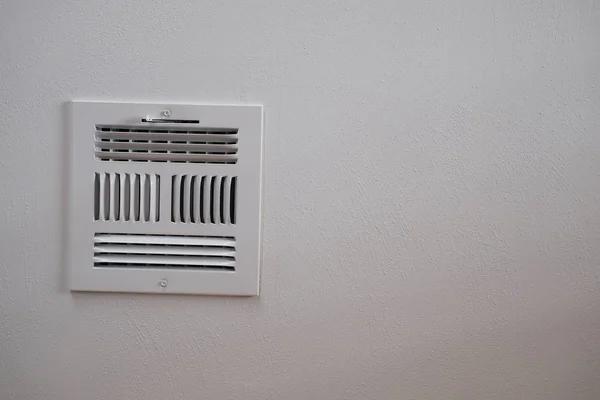
When considering the comfort and efficiency of a home, many homeowners focus primarily on their heating and cooling units. However, an often-overlooked component that plays a crucial role in maintaining indoor climate is the ductwork system. Understanding why ductwork condition matters as much as your heating and cooling unit can lead to improved energy efficiency, enhanced comfort, and better indoor air quality.
Ductwork serves as the pathway for heated or cooled air to travel throughout your home. If these ducts are compromised in any way—whether through leaks, blockages, or improper insulation—the effectiveness of even the most advanced HVAC systems can be significantly diminished. Leaky ducts can cause up to 30% of conditioned air to escape into unconditioned spaces like attics or crawlspaces. This not only leads to increased energy bills but also forces your HVAC system to work harder than necessary, reducing its lifespan over time.
Moreover, poorly maintained ductwork can have a direct impact on indoor air quality. Dust, allergens, and other pollutants can accumulate in dirty ducts and then circulate throughout your living space every time you turn on your heating or cooling system. This is particularly concerning for individuals with allergies or respiratory issues who may experience exacerbated symptoms from breathing contaminated air.
The thermal insulation of ductwork is another critical factor that affects overall system performance. Uninsulated or inadequately insulated ducts can result in significant heat loss during winter months and heat gain during summer months. By ensuring proper insulation of your ductwork, you help maintain consistent temperatures within your home while also preventing unnecessary strain on your HVAC unit.
Another aspect worth noting is learn the key points ductwork system itself. Efficiently designed systems distribute airflow evenly across all rooms; however, poor design choices—such as sharp bends or overly long runs—can impede airflow and create hot or cold spots within the home. Consulting with an experienced HVAC professional when installing new systems ensures optimal configuration tailored specifically for your property’s needs.
Regular maintenance checks are vital for keeping both ducts and HVAC units functioning at peak performance levels. Homeowners should schedule periodic inspections by qualified technicians who can identify potential issues such as leaks or blockages before they escalate into costly repairs.
In conclusion, while it’s easy to overlook ductwork compared to more prominent components like furnaces or air conditioners themselves—it plays an equally important role in determining how effectively these systems operate within our homes today! Ensuring well-maintained clean efficient designs will ultimately lead towards greater energy savings improved comfort healthier environments benefiting everyone residing there alike!